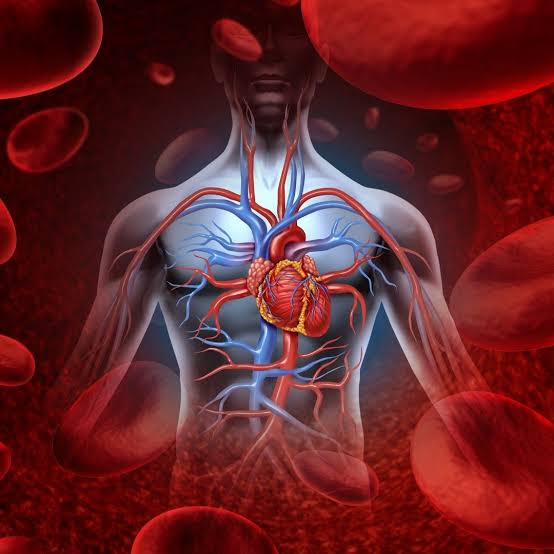
Physiology is the scientific study of how living organisms—primarily the human body—function, maintain internal stability (homeostasis), and coordinate the physical and chemical processes of cells, tissues, organs, and systems.
Core Course Objectives
Understand Homeostasis: Explain how the body maintains a stable internal environment (homeostasis) through feedback and feedforward regulatory mechanisms.
Examine Structural-Functional Relationships: Relate the microscopic and macroscopic structure of cells, tissues, and organs to their specific physiological roles
Analyze Major Organ Systems: Detail the normal functioning and regulation of the cardiovascular, respiratory, renal, nervous, endocrine, gastrointestinal, and reproductive systems
Integrate Chemical and Physical Laws: Apply basic chemical and physical principles to biological processes such as membrane transport, action potentials, and gas exchange
Develop Clinical and Problem-Solving Skills: Interpret physiological and laboratory data (such as ECGs, blood gas analysis, or blood pressure readings) to bridge basic science with clinical or health-science applications
Gain Practical Laboratory Competency: Execute basic physiological and hematological experiments, data recording, and quantitative analyses
- Teacher: DIPTANU SAHA